If you are thinking about living in Folsom, you are probably asking a practical question: what does daily life actually look like once the boxes are unpacked? That matters because a city can look great on paper but feel very different when you factor in housing costs, commute patterns, errands, and how easy it is to get outside. In this guide, you will get a clear, grounded look at Folsom’s housing mix, trail access, and everyday routines so you can decide whether it fits your goals. Let’s dive in.
What living in Folsom feels like
Folsom reads as a suburban city with a strong owner-occupied base, established amenities, and a lifestyle that blends neighborhood living with outdoor access. City and Census data point to a place where many residents own their homes, commute remains a big part of the routine, and parks and trails are woven into daily life.
You also see that mix in how the city describes itself. Folsom highlights shopping, dining, parks, trails, schools, and outdoor recreation, which gives you a good sense of the rhythm here. It is not just a place to sleep after work. It is a place where many people build routines around errands, trail use, and time outside.
Folsom housing at a glance
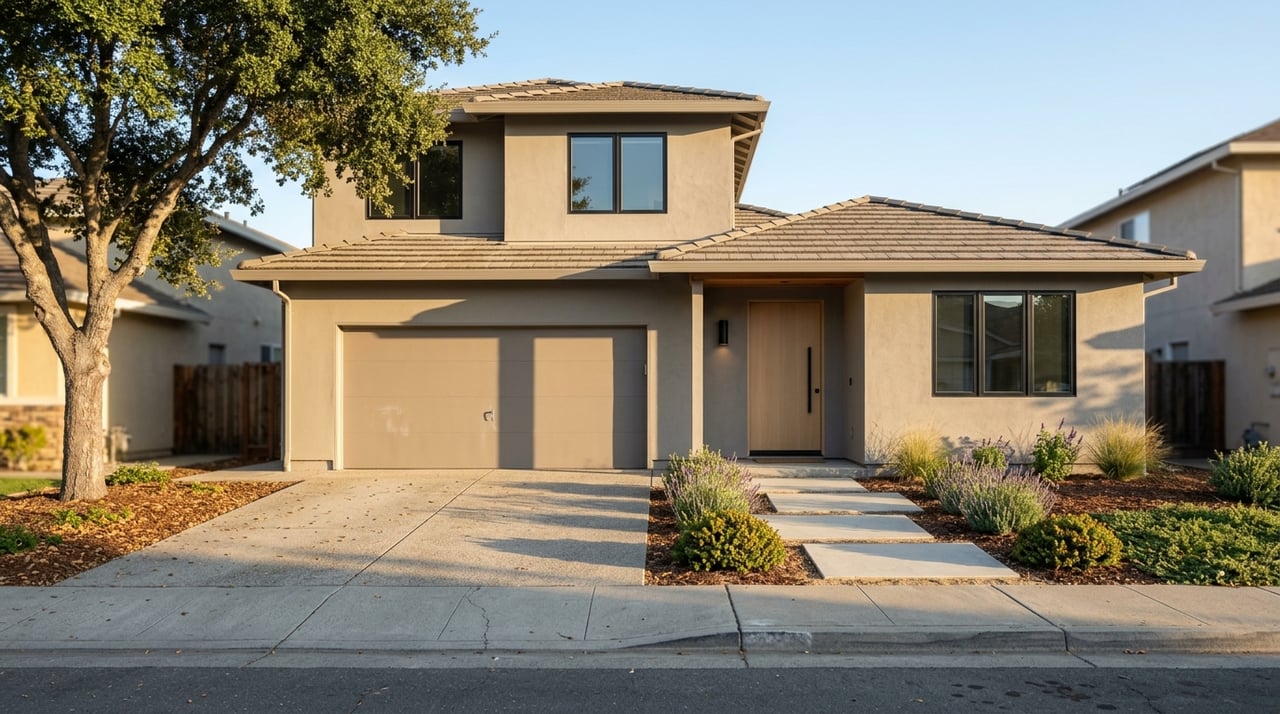
Housing in Folsom is not one-size-fits-all. The city includes detached homes, attached housing, mixed-use areas, and newer growth zones that continue to shape what buyers can find.
About 72% of Folsom housing is owner-occupied, which points to a market with a strong base of long-term homeowners. That does not mean every part of the city looks the same, though. Folsom’s planning framework includes single-family, higher-density single-family, multi-family, and mixed-use sites.
Detached and attached options
If you picture Folsom as mostly single-family neighborhoods, that is only part of the story. The city’s newer development standards place more apartment, condo, and townhome projects in areas such as the East Bidwell Corridor, the Folsom Boulevard TOD overlay, and the FPASP Town Center overlay.
That matters if you want flexibility on price point, maintenance, or layout. Over time, those standards suggest more attached-housing supply near key corridors and transit-related areas. ADUs are also allowed citywide, which adds another layer to how housing can evolve.
Growth areas to know
Several growth areas are shaping the city’s newer housing inventory. City materials identify Broadstone Estates, Enclave at Folsom Ranch, Folsom Heights, Mangini Ranch, Russell Ranch, and White Rock Springs Ranch as active growth areas.
For buyers, this often means newer homes, newer infrastructure, and evolving neighborhoods. It can also mean comparing established parts of Folsom with newer planned communities, depending on whether you value mature surroundings, newer construction features, or a specific location within the city.
Folsom home prices and entry points
Folsom is generally a higher-priced suburban market within the Greater Sacramento region. Current portal snapshots place the overall market in roughly the mid-$700,000s to near $800,000, depending on the source and timeframe.
Redfin reported a March 2026 median sale price of $799,000. Realtor.com showed a median home sale price of $775,000, and Zillow’s November 2025 median sale price was $740,167. The best way to read that data is as a range, not one exact number.
Why property type matters
Your budget may stretch very differently depending on the kind of home you want. Snapshot data suggests single-family homes are around $803,500, while condos and co-ops are around $453,215 and townhomes around $439,000.
That gap is important for first-time buyers, downsizers, and anyone trying to balance location with monthly cost. If detached housing feels like a reach, attached housing may offer a lower entry point while still putting you in Folsom.
What buyers should take from the numbers
The headline is simple: Folsom offers choice, but that choice comes with a pricing spread. You may be able to enter the market at a lower price through a condo or townhome, while detached homes often sit at a noticeably higher level.
This is where clear planning matters. If you are shopping in Folsom, it helps to define your must-haves early, know your comfort range, and compare home type, location, and upkeep before you focus only on square footage.
Commutes and day-to-day patterns
A big part of living in Folsom is how you move through the day. Even with local services and transit options, the city still reads as car-first for many households.
Recent city materials say nearly 80% of workers living in Folsom leave the city each day, with most traveling to Sacramento. At the same time, more than 35,000 workers enter Folsom for work. Census data puts the mean travel time to work at 26.6 minutes, which gives you a useful baseline for everyday planning.
Driving is still central
For many residents, the routine likely starts with a drive. That is especially true if your job is outside the city or your day includes school drop-offs, activities, errands, and grocery runs across multiple stops.
In practical terms, Folsom can offer convenience, but you should still expect the car to play a central role in daily life. That is a key part of the tradeoff when you choose a suburban market with room to spread out.
Transit and alternatives add flexibility
Even though many routines are car-based, Folsom does offer alternatives. SacRT’s Gold Line serves Historic Folsom, Glenn/Robert G. Holderness, and Iron Point, and regional bus connections include the Folsom Stage Line and El Dorado Transit’s 50 Express.
One detail worth knowing is that not every Gold Line train continues all the way to Historic Folsom. If transit is important to your routine, that is the kind of practical detail that can shape which area of the city works best for you.
Major employers in and around Folsom
Folsom is not only a bedroom community. City business materials highlight Intel, Dignity Health, Micron, SAFE Credit Union, PowerSchool, and Kaiser Permanente as major employers.
That gives the city a broader economic base and can reduce commute times for some households. Still, for many residents, daily life includes travel into Sacramento or other nearby job centers.
Trails and outdoor access in Folsom
One of the strongest day-to-day advantages of living in Folsom is how easy it can be to get outside. The city says it has more than 50 miles of Class I bike and pedestrian trails, 48 parks, and about 980 acres of open space.
Folsom also states that nearly every home is within a half-mile of a park. For many buyers, that is more than a nice feature. It shapes routines like morning walks, weekend bike rides, and easier ways to break up a busy day.
The trail network stands out
If trail access matters to you, Folsom has a strong reputation for it. The Johnny Cash Trail is a 2.75-mile Class I bike and pedestrian trail that connects the Historic District with the Folsom Lake Crossing Trail.
The network is also still growing. The city is advancing a Highway 50 trail undercrossing to connect Folsom Ranch into the central trail system, and the Folsom Plan Area includes more than 30 miles of planned trails.
Folsom Lake and Lake Natoma access
Folsom Lake State Recreation Area expands the outdoor picture well beyond neighborhood parks. State Parks lists hiking, biking, running, camping, picnicking, horseback riding, waterskiing, and boating among the available activities.
Lake Natoma adds access for sailing and kayaking, which gives you more options if being near water matters to your lifestyle. State Parks also describes a 32-mile paved bike path linking Folsom Lake with Sacramento-area parks and Old Sacramento.
Shopping, services, and everyday convenience
Daily life is not only about housing and recreation. You also want to know how easy it is to handle the basics, meet friends, and stay close to key services.
City information points residents to local boutiques, Folsom Premium Outlets, Palladio Shopping Center at Broadstone, the Historic District, and other retailers. The Historic District is also described as a shopping, dining, and nightlife destination, which adds another layer to the city’s routine beyond standard suburban errands.
Education and arts access
For households thinking long-term, Folsom includes a range of education options. FCUSD operates 15 schools in Folsom, and Folsom Lake College serves more than 9,700 students and offers more than 90 degrees and certificates.
The college also includes the Harris Center for the Arts, which adds a cultural venue to the local mix. That can matter if you want a city that supports not just convenience, but also ongoing activities close to home.
Healthcare close to home
Healthcare access is another practical part of choosing where to live. Mercy Hospital of Folsom serves the community with emergency services, a family birth center, and 106 licensed acute care beds.
For many buyers and sellers, nearby healthcare is not an afterthought. It is part of what makes day-to-day living feel more manageable and predictable.
Is Folsom a good fit for you?
Folsom may be a strong fit if you want a suburban setting with a high owner-occupied share, broad housing choices, and meaningful access to parks and trails. It also makes sense if you are comfortable with a market where prices tend to run higher than some other Greater Sacramento options.
The tradeoff is fairly clear. You get outdoor access, established shopping and services, and a city with strong everyday amenities, but many routines still depend heavily on driving. If that balance works for your lifestyle and budget, Folsom can be a very practical place to put down roots.
If you are comparing neighborhoods, weighing detached versus attached housing, or trying to line up commute reality with your budget, a local plan matters. Rich Gibbens brings a calm, disciplined approach to helping buyers and sellers make clear decisions across the Greater Sacramento market, including Folsom.
FAQs
What is the housing market like in Folsom, CA?
- Folsom is generally a higher-priced suburban market, with recent portal snapshots placing overall home prices roughly from the mid-$700,000s to near $800,000, depending on the source and timeframe.
What types of homes can you buy in Folsom, CA?
- Folsom includes single-family homes, higher-density single-family housing, condos, townhomes, multi-family sites, mixed-use areas, and citywide ADU allowance.
What is commuting like when living in Folsom, CA?
- Folsom is still largely car-first, and city materials say nearly 80% of workers living there leave the city each day, with a mean commute time of about 26.6 minutes.
What outdoor amenities are available in Folsom, CA?
- Folsom offers more than 50 miles of Class I bike and pedestrian trails, 48 parks, about 980 acres of open space, and access to Folsom Lake and Lake Natoma recreation.
What everyday conveniences does Folsom, CA offer?
- Folsom includes major shopping areas, dining and nightlife in the Historic District, local healthcare through Mercy Hospital of Folsom, and education access through FCUSD and Folsom Lake College.
