Wondering what actually changes from one block to the next in Land Park? That is a smart question, because this part of Sacramento is not defined by just one look or one pace of life. If you are thinking about buying, selling, or simply getting a feel for the neighborhood, understanding how home styles and street life shift across the area can help you make a better decision. Let’s dive in.
Land Park Has More Than One Identity
Land Park sits just south of Downtown Sacramento within the broader Greater Land Park planning area. The area is known for traditional neighborhoods, tree-lined streets, distinguished parks, and local shops, with access routes that include Riverside Boulevard, Land Park Drive, Freeport Boulevard, Franklin Boulevard, Sutterville Road, I-5, and the Blue Line light rail east of Freeport.
That location helps explain why Land Park can feel both connected and separate at the same time. City planning documents trace the area from early settlement around Sutterville in the late 1840s to bungalow-era growth tied to streetcars, the development of William Land Park in the 1920s, and postwar housing that expanded farther south.
Freeway construction in the 1960s also shaped how the neighborhood feels today. It separated the area more clearly from Midtown, Downtown, and Oak Park, which gives many Land Park blocks a distinct rhythm and identity.
Home Styles Vary By Block
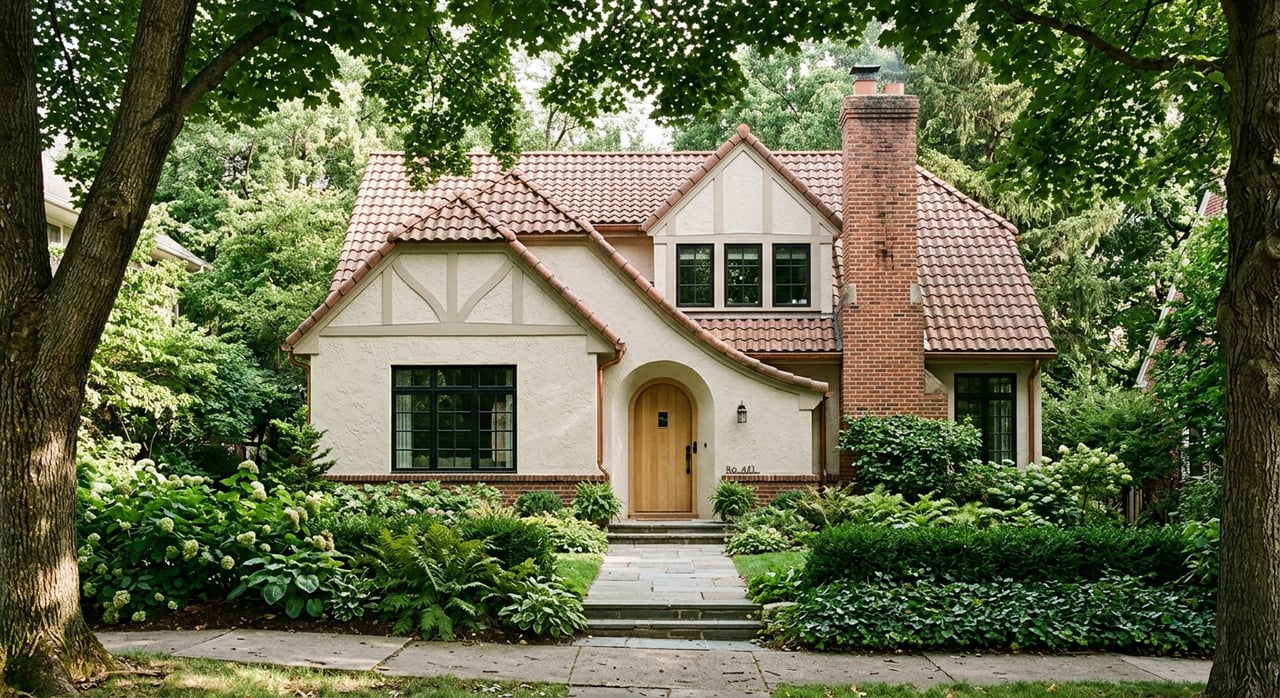
One of the biggest draws in Land Park is that it is stylistically mixed rather than uniform. City design guidance that references Land Park describes a blend of Victorian, Queen Anne, Craftsman, bungalow, Sacramento Highwater, California Mission, English Country Cottage, Tudor Revival, and other period-revival homes.
That mix does not mean every street feels random. In fact, many blocks have a consistent palette of styles and materials, which creates a strong visual rhythm as you move through the neighborhood.
For buyers, that can mean very different first impressions depending on where you start your home search. For sellers, it means your block context matters when you talk about curb appeal, buyer expectations, and how your home fits the street.
The Traditional Core Feels Older and Established
The broader Greater Land Park plan describes the traditional neighborhoods as largely pre-World War II in form. This part of the area is where you are most likely to notice the classic older-Sacramento look that many people associate with Land Park.
You may see bungalow forms, period-revival details, and streets that feel established and shaded. Many of these residential areas also connect naturally to small neighborhood-serving commercial areas, which supports a more local, everyday pattern of living.
Southern Areas Shift Toward Postwar Homes
As you move south of Sutterville Road and west of Freeport Boulevard, the broader plan notes more suburban development patterns. That creates a different visual experience from the older core.
Instead of focusing only on prewar architecture, the southern part of the area introduces a more postwar residential feel. This matters if you want a neighborhood article that reflects the full picture, because Land Park is not just one era frozen in time.
South Land Park Hills Adds Midcentury Character
A standout example of that change is South Land Park Hills Unit No. 7. According to the historic district plan, this area includes a cohesive group of 48 residential buildings designed in a Mid-Century Modern style with California Ranch influences by Joseph Eichler and built in 1955 and 1956.
That pocket brings a very different mood from the older bungalow and Tudor streets. The plan also notes the curving bend of South Land Park Drive, a subdivision pattern that fits the period and adds to the area’s distinct visual identity.
Street Life Changes From Corridors to Interior Blocks
If you want to understand Land Park, it helps to separate the busy edges from the quieter interior streets. The neighborhood’s street life is not spread evenly across every block.
Broadway and other major corridors carry much of the area’s dining, errands, entertainment, and movement. The interior residential grid, by contrast, tends to feel more park-oriented and calm.
Broadway Feels More Active
City planning describes Broadway as the creative fringe of the Central City, and the Tower Theatre remains a gateway landmark for the area. This northern edge feels more mixed-use and active than many interior streets.
That does not make one part better than another. It simply means your day-to-day routine may look very different depending on whether you want to be closer to corridor activity or tucked farther into residential blocks.
Local Favorites Shape Daily Patterns
Land Park is often associated with longtime local businesses and familiar gathering spots. Sources describing the neighborhood point to places such as Gunther's Ice Cream, Vic's Ice Cream, Marie's Donuts, Freeport Bakery, Tower Theatre, New Helvetia Brewing, Bike Dog Brewing, Oto's Marketplace, Lalo's Restaurant, and Fountainhead Brewing.
These businesses help define where people run errands, meet up, grab a treat, or spend an evening. In practical terms, they add a layer of convenience and routine to corridor life without changing the quieter feel of many residential streets.
William Land Park Shapes Everyday Life
William Land Regional Park is the neighborhood anchor. The City of Sacramento lists the park at 207.34 developed acres, with amenities that include Fairytale Town, Funderland, the Sacramento Zoo, a golf course, a jogging path, lakes, picnic areas, a wading pool, softball fields, soccer fields, and restrooms.
That kind of park presence changes more than weekend plans. The Land Park Community Association describes the park as a place used daily for relaxing, exercising, playing, and family gatherings, which shows how deeply it is woven into everyday neighborhood life.
Shade and Layout Affect the Feel
A city cultural landscape survey explains why the park area often feels slower and more immersive than nearby commercial streets. It identifies the tree canopy, clustered plantings, curving roadways, and traffic islands as defining features that create shade, open views, and a strong spatial identity.
For you, that may translate into morning walks, easier outdoor routines, and a neighborhood experience that feels grounded in open space. It is one reason Land Park stands out in Sacramento lifestyle conversations.
What This Means If You Are Buying
If you are shopping in Land Park, the key is not to treat the whole neighborhood as one category. Different blocks offer different combinations of architecture, park access, traffic flow, and proximity to commercial corridors.
A smart search usually starts with your routine. You may prefer an older residential block with a traditional look, a location close to William Land Park, or a home near Broadway and other active streets where dining and errands are easier to fold into the day.
Here are a few helpful questions to ask as you narrow your options:
- Do you want a prewar feel or a more postwar layout?
- How important is close access to William Land Park?
- Do you want quieter interior streets or easier access to active corridors?
- Are you drawn to classic period details or midcentury design?
What This Means If You Are Selling
If you own a home in Land Park, your location within the neighborhood helps shape your marketing story. Buyers may respond differently to a house near the park, a home on a classic older block, or a property in a midcentury pocket with a distinct design identity.
That is why neighborhood positioning matters. A disciplined pricing and marketing approach should reflect not just square footage and updates, but also the block feel, nearby amenities, and how your home fits the part of Land Park where it sits.
With about 83 percent of the housing stock in Greater Land Park made up of single-unit residential homes, buyers are often comparing one residential setting against another. Clear local context can help your listing stand out in a way that feels accurate and useful.
Why Land Park Continues to Stand Out
Land Park works because it offers contrast without losing cohesion. You have older residential streets in the traditional core, a park-centered daily rhythm around William Land Park, active corridor life near Broadway and other commercial streets, and a clear midcentury pocket farther south.
For some people, that means a quieter residential setting with strong park access. For others, it means a location that balances classic Sacramento character with practical access to dining, entertainment, and major routes across the city.
If you are trying to decide whether Land Park fits your goals, block-level detail matters. And if you want guidance from someone who knows how to evaluate neighborhood differences with a calm, disciplined approach, connect with Rich Gibbens for clear local insight and next steps.
FAQs
What home styles can you find in Land Park Sacramento?
- Land Park includes a mix of Victorian, Queen Anne, Craftsman, bungalow, Sacramento Highwater, California Mission, English Country Cottage, Tudor Revival, and other period-revival homes, with some southern areas showing more postwar and midcentury character.
What is street life like in Land Park Sacramento?
- Street life varies by location, with more activity along Broadway and other major corridors, while many interior residential blocks feel quieter, more shaded, and more connected to park life.
What makes William Land Park important to Land Park residents?
- William Land Regional Park is a major daily-use feature of the neighborhood, offering open space, recreation, family attractions, sports areas, picnic areas, and walking routes that shape everyday routines.
Are all parts of Land Park Sacramento the same?
- No, Land Park has a historic residential core, more active commercial edges, and southern areas with more suburban and midcentury housing patterns.
What should home buyers compare when looking at Land Park Sacramento?
- Buyers should compare block feel, home style, access to William Land Park, proximity to commercial corridors, and whether they prefer a quieter interior street or a more active location.
